

Blog
Reality Check: Staging Costs and Options

So the thing about home staging is that most just want to get to ‘how much?’
Fair enough, money is important. And making money decisions is a thoughtful and participatory process.
Yet some don’t want to go there. Intimidated. Embarrassed to ask. Takes too long. Worry they’ll be ‘pitched’. Feels icky. I totally get it! It’s your money (or unrealized profit). But that’s why this series was written.
A career in the people, space, and things business (aka design and home staging :)) I’ve found that what most believe they know about how stagers, staging, and rental furniture actually work is at least limiting, if not incorrect.
Just starting the conversation is key to crafting your best path. I’ve always found the best way to connect is to share information, so here we are!
Part One reviewed 5 scenarios when and why staging with rental furniture could be a good plan. Part Two on how sussing out and addressing buyers’ underlying dreams and concerns was a more palatable, and highly successful way of staging without rental furniture.
Here in Part Three we cover some basics: first, cost infrastructure, then how to prioritize, and pics of other ideas you can run with. Ready? Let’s GO!
1. Rental Furniture Costs
“But I just need a table” Or a sofa.
A bed. Some carpets.
“How much per room?”
Or (said on Monday) “I need it for pictures on Thursday”
Being a source of rental furniture is like being pregnant, there’s no halfway. Staging with rental furniture costs what it does because of what it costs to get it done.
Between inventory, infrastructure, and labor costs, the overhead is tremendous. So if you’re in it, you go big, stay organized, and stick to your system. Here’s how all the NY Metro area corporate** firms I’ve used work:
- Minimum number of months (3), and monthly dollar minimum (varies, usually $500-1000). Most have package deals, but the pieces are basic and blah, and NO changes.
- You sign a contract, pay in full before furniture is delivered.
- There are no refunds. You pay for the full term, even if you’re in contract within the week and don’t need the furniture anymore.
- Beyond delivery costs and sales tax, there is insurance. Usually 10% of the rental furniture cost. Every. Month. And yes, this adds up fast. Your homeowner insurance carrier could generate a COI, but there’s usually a charge, and it usually ends up being a wash.
**The Refreshed Home doesn’t inventory furniture, or facilitate rentals from others anymore. But when it comes up, we strongly recommend going with a local privately owned staging company over corporate ones.

Policies vary, so do your homework. Choose a local provider for a more seamless experience, more personal customer service, and perhaps more varied or specialized inventory-not because you think you’re going to get a deal.
2. Staging/Stager Costs
Staging is a personal service and a professional skill. I’m not speaking for the industry-or any other person here, but know there are many different models out there.
Asking about the considerations that go into a stager’s pricing is fair, but it’s not as cut and dried as you might think. Each project, each seller has different needs and circumstances. Some things to consider:
- Pre-listing consults are great for sellers who can implement things nicely on their own, they just want to be pointed in the right direction. Every project The Refreshed Home does starts here. The focus is not on sale/rental of products or further services (those are called “estimates”). Rather, they assess and offer process and priority-oriented solutions for the seller. Costs are transparent and highly controllable: typically straight time for on-site, sourcing, and any written reports/e-communications.
- Is the seller/decider remote or otherwise not so engaged? Stagers represent the seller and their best interests. Do you need them to source trades, or manage work on your behalf? We do a lot of this work, often in divorce, guardianship, and estate situations. Discuss your needs and expectations of how that would work.
- Will things be brought in? From ease of access (parking, distance to door, stairs? Limiting house or HOA rules?) to timing (if you’re in a rush, holiday or weekend help costs more) even conditions (icy sidewalks? no AC in July?) will cause seemingly similar jobs to price out differently.
Although online reviews use stars, staging, and stagers are not standardized or quantifiable entities! Bottom line, you want to be comfortable with the person, what they’ll deliver, and how they’ll get it done. Besides conversation and online research, your due diligence should include checking referrals and references. Real estate is hyper-local, definitely ask around!

3. Prioritizing and Options
I tend to describe the real estate work I do as listing prep more than home staging. Here in Westchester County, many sellers have lived in their house for decades. They get busy. Over the years, little things go unnoticed or put off, then they get bigger.
It’s always irked me that the media, even the real estate and home staging industries portray home staging as pretty much all about aesthetics. Even in my design career, I knew: Remedial work comes first. Unless a property is a cash sale, being sold as-is, a teardown, or a candidate for a 203K loan, getting certain things done isn’t always optional, often its a condition of buyer financing and closing.
So Myers-Briggs pegged me as equal parts creative and analytical. Meaning linear, logical thinking is as much of my process as is the creative, and intuitive. This helps explain how years ago, I had the sudden realization that something I learned in one sociology class back in freakin’ college had shaped my approach to both design and home staging work ever since.
I saw the path Abraham Maslow’s ground-breaking and holistic Hierarchy of Needs laid out to becoming  our best selves also worked especially well for bringing a property to its market-ready best.
You may say you don’t know of this, but you do, you just forgot.
To paraphrase, Maslow believed each of us has our own innate high point-the best we can be. To get there, we need to tend to/satisfy/resolve the most basic needs first, then build on them. That is how I advise sellers and agents to make their best and highest ROI plans when preparing a property for sale.
Using the iconic pyramid, I translated his human basics to TRH’s house/home staging basics, and with the help of my long-time branding guru Rick Whelan, created the infographic at right.
This puts tools and rationale in the seller’s hands; de-personalizes, validates, and normalizes the tasks. Many can be done, or managed by the average seller.
- CLICK HERE to download full-color sharable PDF
- AGENTS OR BROKERS CLICK HERE if you’d like me to drop some of these 5×7 glossy beauties off at your office
Floors and walls are the next level of consideration. It’s just the math. The two largest surfaces in a room, they have the potential to make the biggest difference.
Color fills and softens empty spaces. It can make a small space bigger, and make big furniture seem smaller. SERIOUSLY. Buyers can usually figure out where the DR goes, but endless white walls, weird color walls, or wallpaper leave them flat.

NAR figures report new paint and refinished floors get a 10/10 Joy Score. Also, nationally sellers get $2 back for every $1 they spend on painting and flooring. But in my experience, locally it’s much higher. So if you have or can obtain the funds, do that. Only start what you can finish. Complete projects resonate.
- The right color paint/floor stain doesn’t cost any more than the wrong color. But the wrong colors (or lack of color) can cost you more, a bunch more. The right new colors that improve the appearance of costly fixed items like tile or countertops add even more value. Paint and stain color selection is easily incorporated into TRH’s pre-listing consult.
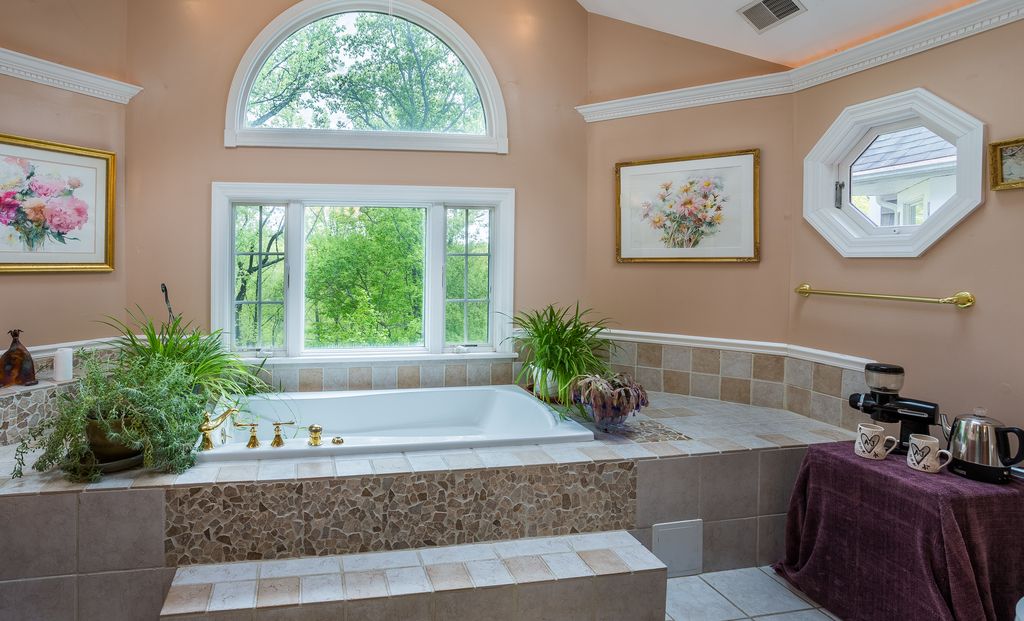
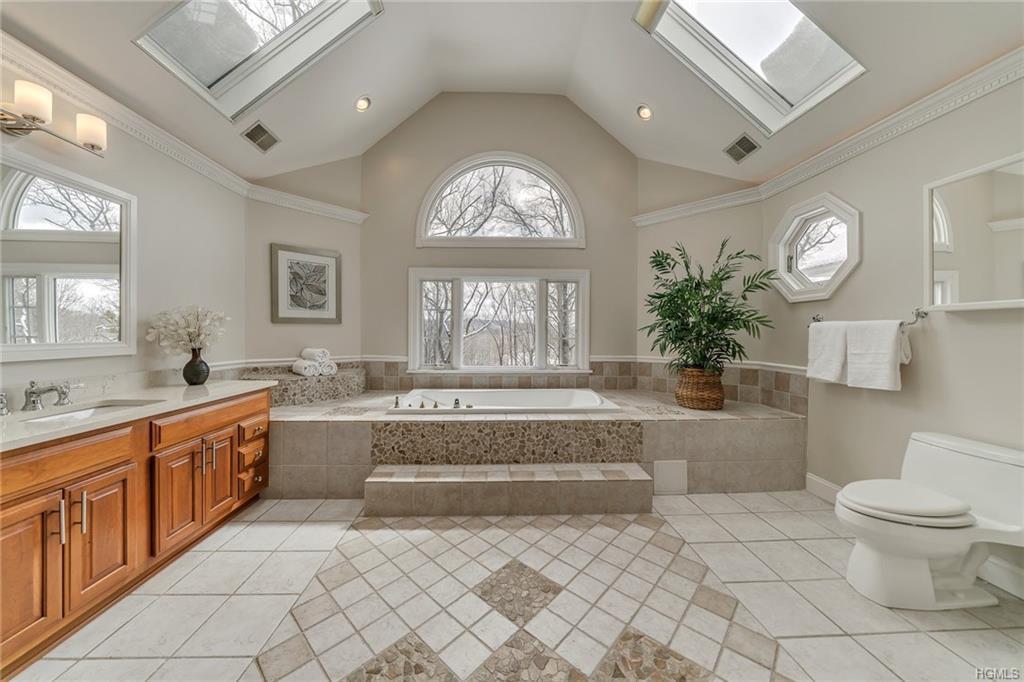
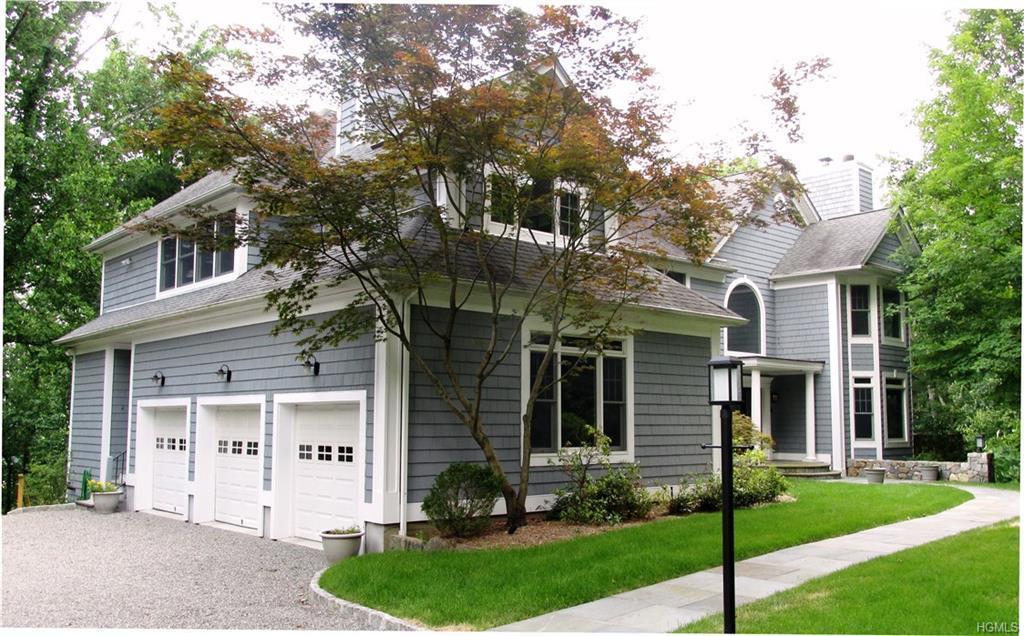
Exteriors, too!


- Even if its a big project like an outdated kitchen, much easier for buyers to focus on 1 or 2 projects than to contemplate a bunch of smaller projects all throughout the house.
- If you don’t have the time or wherewithal to do large singular projects like new roof, or refinishing floors, get a dated written estimate from a local provider. Very handy for buyers who will overestimate costs.
Furniture and props can fill in and warm up a space. But caution: don’t just put in any old things you have hanging around.
In my experience, empty that’s fresh, clean, and bright works much better than sparsely or oddly furnished spaces. If you need things, give yourself some time and put in a little sweat equity you can do pretty well:
- Everyone has too many things! Who in your life has things you can borrow?
- Give away organizations: Google for your local FB Buy Nothing group, or Take It or Leave It (TILI) Shed, sign up for Freecycle.org eblasts. (Westchester Chapter is called White Plains, 11K enthusiastic members!).
- Ask your agent to send an office email, asking other agents if they have sellers trying to get rid of what you’re looking for.
- Buy something you like, to take with you, donate or sell after closing. There are stores that inventory and deliver fast. If you’ve got some time, you could do very well with online auctions.
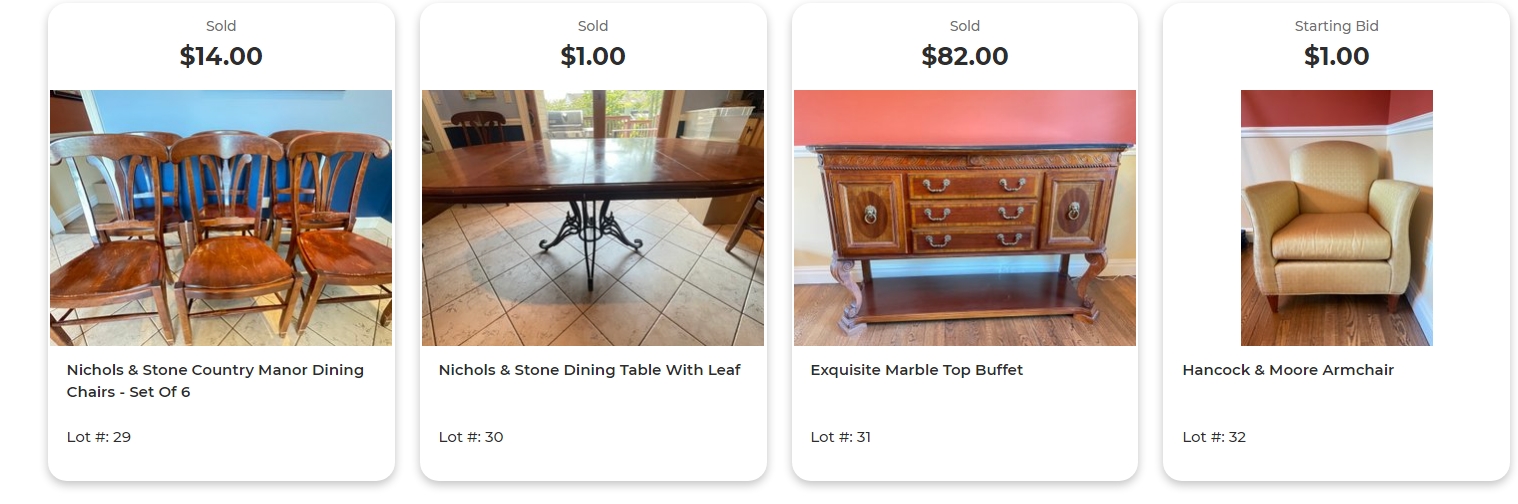
Bad photo here, but darn what a deal!! Found these items a few weeks ago for an agent in a jam. At the time, no bids at a few hours away from closing. I used to sell this furniture when I was in retail. Quality products, the table and chairs would’ve been over $3000 when purchased new, $15!!
Prop Styling
As mentioned several times in the earlier posts, prop styling uses small accents and occasional pieces to complete a space. Bits of color, hints of punctuation to soften and warm the space. They call attention to details and say welcome.


Entries, kitchens, mudrooms and bathrooms are natural (and easy!) areas where prop styling can make a real difference.



Prop styling bookcases is a double bonus: besides adding personality and color, it calls attention to other architectural features.

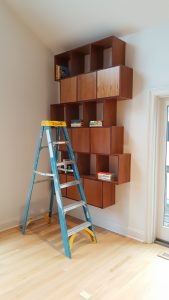

Prop styling also anchors rooms for virtual staging.



And it adds value by demonstrating function in outdoor spaces.



But again, you’re not looking for “stuff”. BUY the fresh, bright pillows, fluffy towels, and crisp new sheets!! Other props should be thoughtfully chosen, a wide and well-curated assortment of bright pieces that will ‘read’ in photos, be appropriate to the house’s style and age, and be different enough to catch the viewer’s attention. These are de-staging day pics of a Windmill Farms colonial.



Everything in the room below points to the fabulous view of the NY skyline.
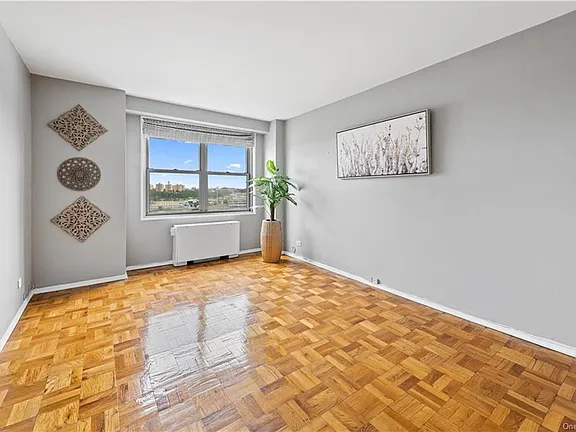
Art and props are used to create moods, to invite the eye to linger

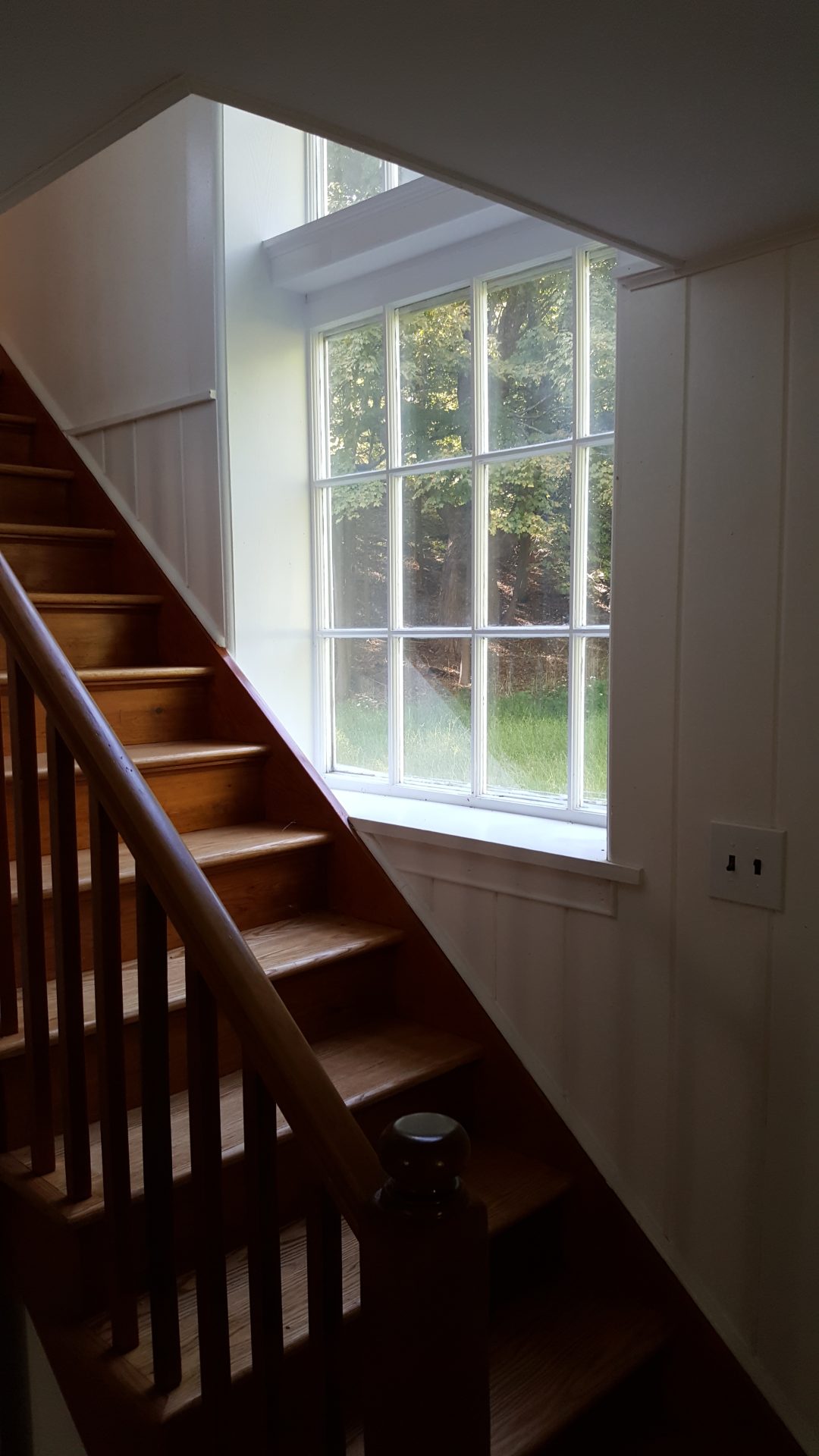

Aid wayfinding, drawing agents and buyers to rooms, levels, even wings that might not be so easy to find.
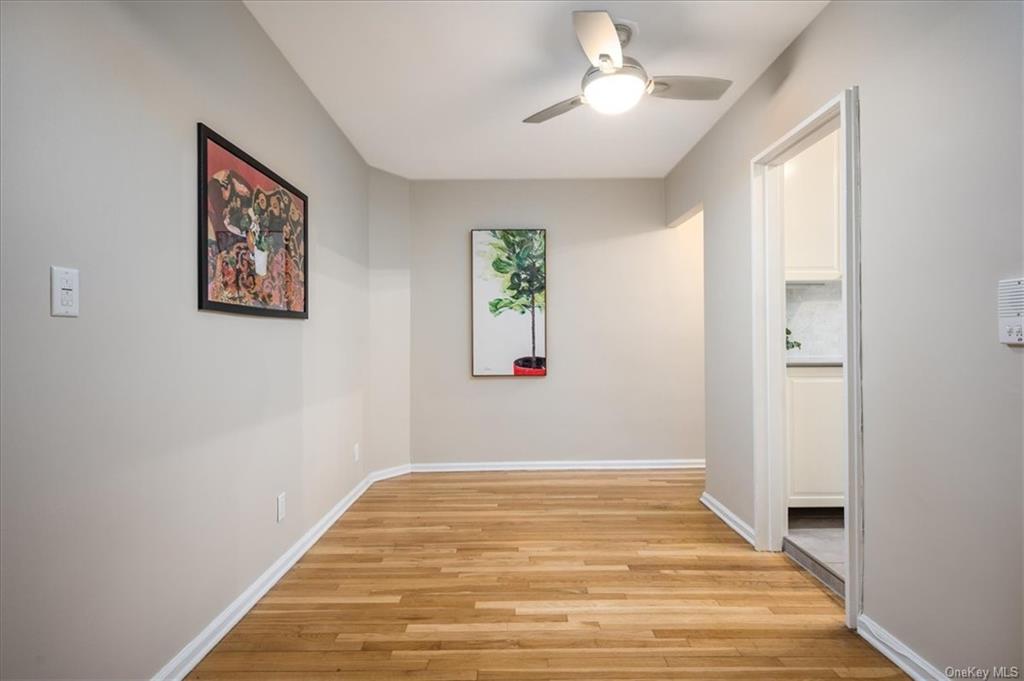
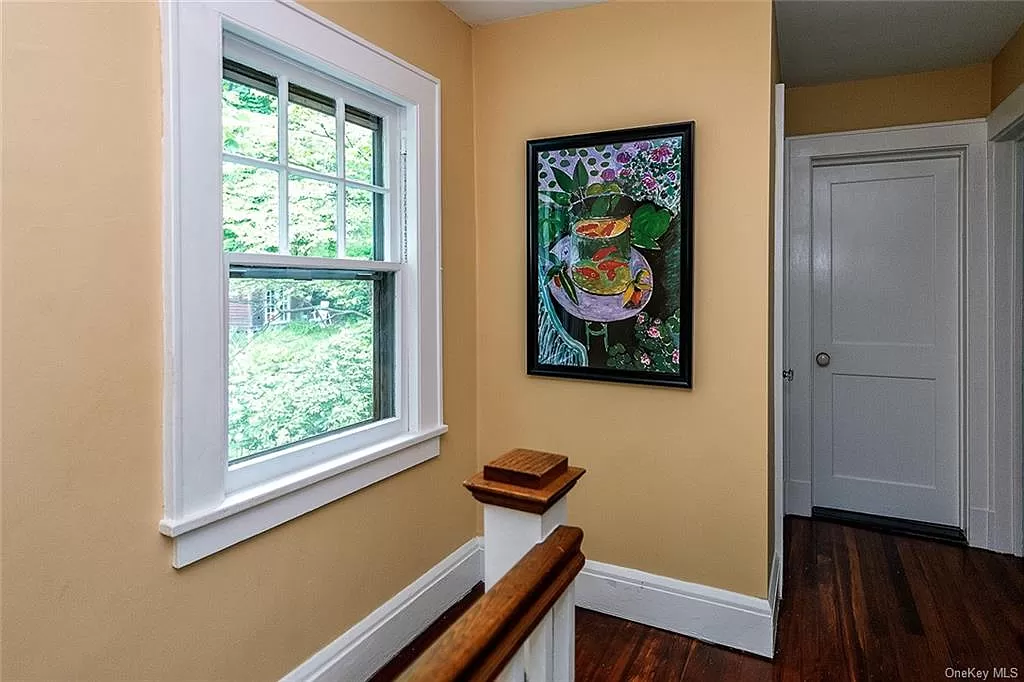
The Refreshed Home even had the art to settle down these phosphorescent chartreuse walls!

If you’re in the process of getting ready to sell a property, know you have choices. And you have control over two things:
- The condition of the property you present to the market
- The price they list it for
The Refreshed Home is an independent design and listing prep agency. We help homeowners untangle their brains, and the complicated relationship most have with their space, their things, and their life. Our counsel has always been:
- Start with an objective assessment and a punch list
- Focus on what you can do. And whatever you can do, give it your all and do the best you can, from Day One
- Price it accordingly
We welcome questions and conversation, and work with you, from assessment to wherever you decide to go next. And we especially delight in making the most of older or unique spaces, and challenging circumstances. Why? Because channeling Walt Disney, it’s kinda fun to do the impossible. Just start the conversation!