

Blog
Catastrophic Water Damage: Dealing with, and Preventing the Unthinkable
I first wrote about catastrophic water damage in early 2024, after 7 different clients went through this in just the last half of 2023. Warm weather, none were 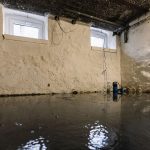 temperature-related occurrences: Heavy rains, failed pipes and hoses, malfunctioning appliances, and boilers were the guilty parties.
Then, weeks after it was published, I was in the same situation.
A freaky, occasional leak through a dryer vent in an out-of-state investment property caused extensive hidden damage. It grew down, behind the walls in the level below, and wicked up, under the kitchen floor above. No warning, just one day a call from our tenant that a saturated ceiling tile had fallen, exposing the whole mess.
I’ve worked on restoration projects in the past, but typically at the end: selecting paint, finishing materials, and other design details after most of the insurance company claim was agreed on, and the demo/remediation work had started. So while I had some familiarity with the process, I was floored by how lost and unprepared I felt when it happened to me.
Here’s what I learned, hoping it prevents or mitigates heartache for others. Because you may be reading this in a desperate moment, dealing with a water emergency first:
First Steps if the Unthinkable Happens
- If the water is coming from inside the house, turn it off. Elementary, but this means every adult in the house knows where the shut-off valves are.
- It’s on the homeowner to diagnose and fix the fail ASAP so additional damage is prevented. A licensed plumber for pipes or hoses; a roofer or GC to seal any open spaces if water came in from the roof or a wall. Insurance companies can deny part, even the total claim if this isn’t done promptly and there’s additional damage after the fact.
- Getting things out of there is the next instinct, but weigh the circumstances, be safe. Yes, water will wick up into wood furniture and upholstery, and damage/destroy precious documents and photographs. But deeper water moves things around, making walking around slippery and dangerous. Plugged-in appliances create additional hazards, as does wastewater from a septic event.
- If you go into the water, take those boots off after so you’re not tracking who knows what into unaffected parts of the home.
- Fight the urge to use industrial fans to dry things out. A bad move, even if damage is only hours old. Mold spores are invisible, travel easily, and can grow into something big very quickly. Fans/AC will spread spores, potentially causing mold to later spring up in otherwise unaffected areas after the adjuster has signed off on the scope of the damage.
- A professional remediation company will seal off affected area and bring in air scrubbers with HEPA filtration. This creates negative air pressure, vacuuming spores and nasty microbes out of the air, keeping contaminated air from the non-affected areas.
Help Prevent the Unthinkable
Intellectually we know prevention is so much easier than the cure. But we get busy…or think it’s not something that will happen to us. Unless it hits close to home, we’re more likely to assign it low-priority status.
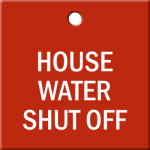
Again, first, know where any water shut-off valves are. Consider marking them with bright hang tags, especially if they’re concealed behind drop ceilings so babysitters, neighbors or first responders can find them.
The best analogy about prevention I’ve heard comes from another colleague. Stephen Tyler is yes a former classmate of that other Stephen Tyler but no relation!-also owner of STAT Home Inspections . He observes our bodies get regular checkups to head off trouble. Why not do the same for your property?
Like your PCP, home inspectors represent you and your best interests. They’ll give you the big picture, list any needed maintenance, and advise you if specialists are needed for additional work. Most vulnerable areas:
- Broken/worn appliance hoses and clips
- Deferred maintenance/updates on appliances and systems
- Poor air circulation/ insulation in attics encourages formation of ice dams; uninsulated pipes in unheated garages, basements etc. can cause pipes to freeze
- Improper grading of property that misdirects runoff, and insufficient/malfunctioning drainage systems
To Mitigate Any Loss, re-think how much you’re storing: What it is, and how it’s being stored:
- Toss/recycle what has no useful life left; sell or donate what’s not wanted or needed
- Take a video of rooms to document condition, possessions, and upgrades
- Use shelving to keep things off the ground
- Use stackable plastic tubs with water-tight lids. Wet cardboard disintegrates, but it absorbs ambient dampness, transferring it to whatever’s inside
- Scan the irreplaceable, keep paper copies (w/ account numbers) in immediate reach, put originals in a safe deposit box
LAST
Any damage involving even an adjustor’s inspection becomes part of your property’s history. Don’t re-live the pain down the line by hiring unregulated companies to do the work.
There are people who drive around looking for signs of events like this after bad weather or other mass events. No one is immune, but they often target seniors. They’ll offer to do stuff quickly, usually for cash. Or perhaps there’s a friend who has a friend who kind of does work like this on the side. They may tell you some bleach then primer will do the trick.
NO.
It’s all good and fine until it’s not. So even if they show up….complete the job seemingly well and do no other harm. And even if no claims or lawsuits are filed against you because someone got hurt on the job, this will be on the record.
When you (or your heirs) try to sell, the buyer agent, home inspector maybe even appraiser will likely see this, They’ll check that necessary permits were obtained, work is code-compliant, was approved, and permits are closed. Ask any agent about disclosure, how long it takes to get things like this legalized, and what it does to your negotiation position.
Westchester’ County Clerk Tim Idoni updated the county’s consumer website when first elected in 2006, and it’s remained state of the art and super user-friendly since. Click here for info, licenses and certifications needed for various tasks, as well as the license status of various trades.
The very best advice I can give you
I hope you’ll never need to use this information, but if you do, remember: Any home services are a personal service. Emergency home service providers see you and work with you on probably your worst day ever. Time, speed, cost, and proficiency are all very important, but absolutely factor in the need for empathy, and good communication. Don’t believe me? Look at online reviews of *any* service-based company. More specifically the overall themes of the 1- and 5- star reviews. What made dealing with this compTheir account manager framed it perfectly, in a way I never heard before: “Most people will never be in this situation. Those that are don’t know what to expect, and they don’t know what they don’t know”.any either the worst or best experience? Choose well, and good luck!